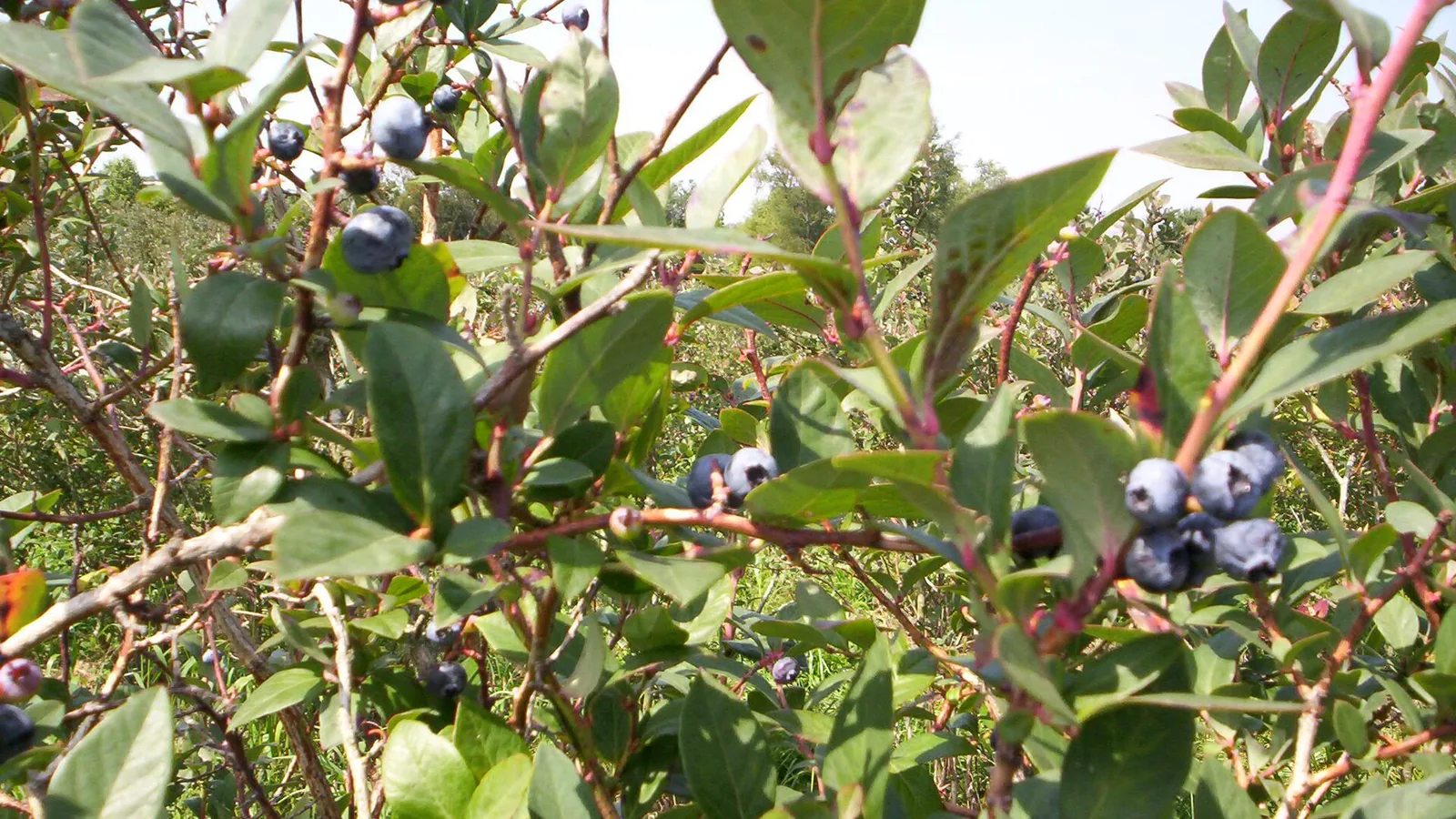
Ripe blueberries on a highbush blueberry bush
How to grow

Blueberries

Takes a hard frost. A perennial for zones 3 to 8. Plant out 1 to 4 weeks before your last frost. First harvest 2 to 3 years from planting.

Photo: OHWiki (Wikivoyage), Public domain, via Wikimedia Commons.

  • Full sun6–8 hours or more
  • 3–4 ft apartRows 10 ft
  • 2–3 yearsFrom planting out
  • pH 4.5–5.5Soil pH
  • HardyTakes a hard frost
  • Zones 3–8Comes back each year

Your dates

Put in your ZIP code to see when to start, plant and harvest blueberries where you live, from your own frost dates.

Look up the frost dates for this ZIP code
Open my planting calendarOpen the planting calendar Add this crop to the calendar saved on this device

From seed to harvest

  1. PlantSet in the groundWeek 0
  2. EstablishRoots take holdWeek 1–4
  3. DormantRests over winterWeek 26–32
  4. FlowersFlowers openWeek 100–108
  5. Fruit setsSmall fruit formsWeek 102–110
  6. HarvestReady to pickWeek 108–164

How to plant and grow

  1. Test and acidify soil

    Get a soil test first. Blueberries need very acid soil, about pH 4.5 to 5.5. If the pH is higher, work in sulfur the season before planting.

  2. Plant young bushes

    Set out young plants in early spring in the North, or during winter in the Deep South. Plant at the same depth they grew in the pot.

  3. Give them room

    Space highbush plants 3 to 4 feet apart in the row with rows about 10 feet apart. Larger varieties need the wider spacing.

  4. Keep roots moist

    Water deeply and often enough to keep the soil moist but not soggy, especially the first years. Good drainage prevents root rot.

  5. Be patient

    Expect only a little fruit in the second and third years. Yields build up over about five years, and bushes can bear for well over a decade.

  6. Protect the crop

    Net bushes against birds before berries color. Fence out deer and rabbits that browse stems.

  7. Pick when blue

    Berries ripen over a couple of weeks on each bush. Pick fruit that is fully blue and comes off easily. Grow early, mid and late types for a longer season.

Common problems

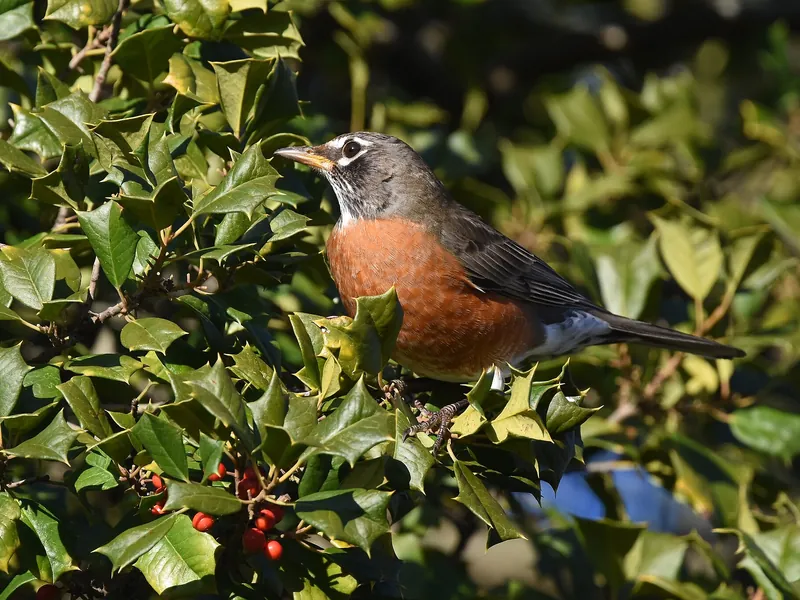
An American robin eating red berries in a shrub
Photo: “American Robin eating Holly berries” by Andy Reago & Chrissy McClarren, CC BY 2.0, via Wikimedia Commons (cropped).

BirdsPestNo spray helps

What you'll see: Ripe berries are pecked or gone, and sunflower heads are stripped of seed.

Prevent

  • Put netting over plants before fruit colors, on a frame if you can, and close every gap.
  • Scare devices work only for a short time; move them often and pair them with netting.

Organic options

  • Netting is the method that works; scare tape and balloons help only briefly.

Conventional options

  • Same as organic: netting. No spray is recommended for a home garden.
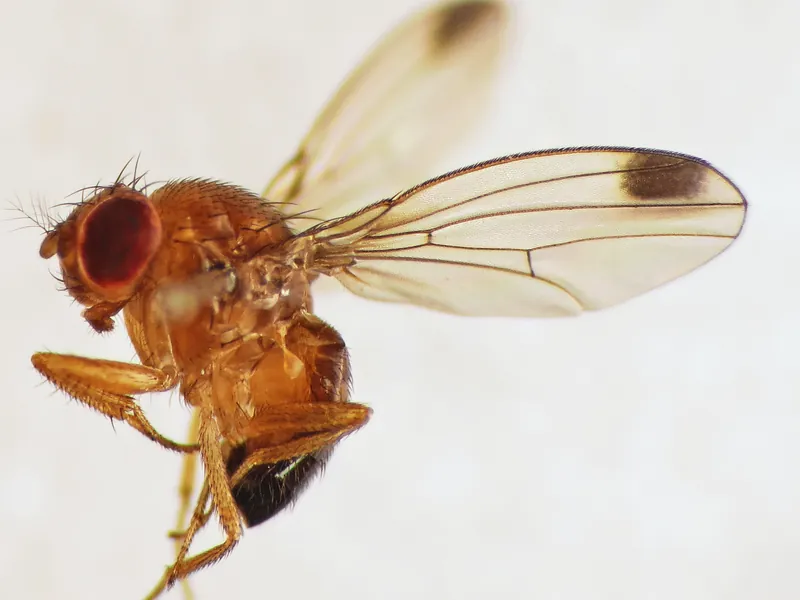
A male spotted wing drosophila fly with a dark spot on each wing
Photo: “Spotted-wing Drosophila (Drosophila suzukii) male” by Martin Cooper from Ipswich, UK, CC BY 2.0, via Wikimedia Commons (cropped).

Spotted wing drosophilaPest

What you'll see: Ripe berries soften, collapse and leak soon after they ripen, with tiny white larvae inside.

Prevent

  • Pick often, as soon as fruit is ripe.
  • Remove and destroy fallen, damaged and overripe fruit.
  • Refrigerate fruit soon after picking.
  • After bloom, cover plants with very fine netting sealed at the bottom.

Organic options

  • Spinosad, or OMRI Listed pyrethrins (without piperonyl butoxide), from when fruit starts to color.

Conventional options

  • Malathion or carbaryl, if the crop is on the label.

Bee caution: Don't spray open flowers. Spray in the late evening, when bees aren't flying.

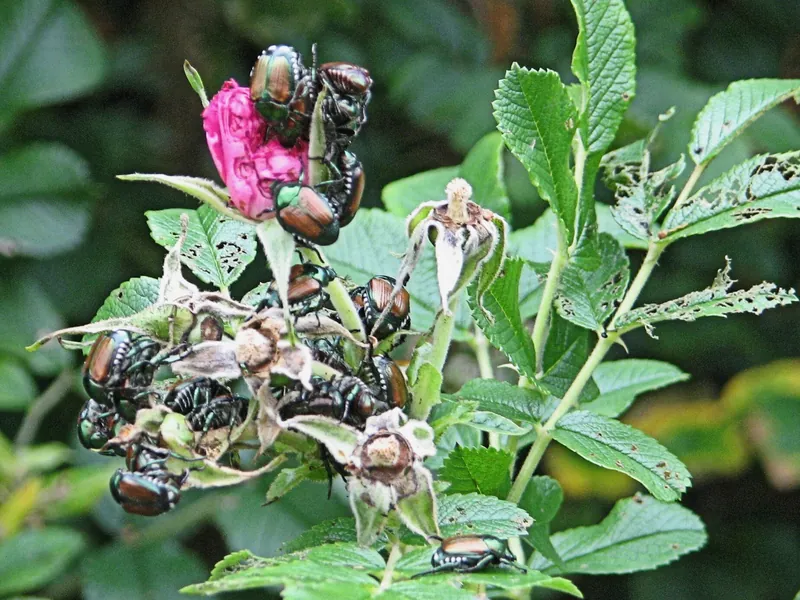
Japanese beetles clustered on rose leaves and flowers
Photo: “Japanese Beetles on Pasture Rose, Ottawa” by D. Gordon E. Robertson, CC BY-SA 3.0, via Wikimedia Commons (cropped). The cropped version is shared under the same licence.

Japanese beetlesPest

What you'll see: Metallic green-and-bronze beetles eat leaves down to a lace of veins, feeding in groups on leaves, flowers and fruit.

Prevent

  • Do not use beetle traps; they draw in more beetles than they catch.
  • Check plants daily while beetles are flying.

Organic options

  • Knock beetles into soapy water in the early morning or evening.
  • Spinosad, neem oil, or OMRI Listed pyrethrins (without piperonyl butoxide) help somewhat.

Conventional options

  • Carbaryl, bifenthrin or zeta-cypermethrin, if the crop is on the label.

Bee caution: Don't spray open flowers. Spray in the late evening, when bees aren't flying.

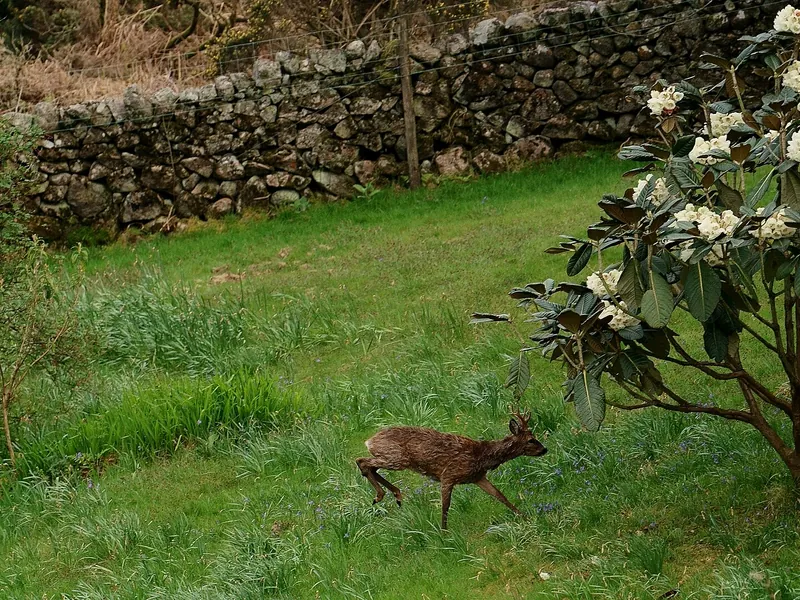
A deer grazing in a garden beside a flowering shrub
Photo: “Deer in the Garden - geograph.org.uk - 6141762” by Peter Trimming, CC BY-SA 2.0, via Wikimedia Commons (cropped). The cropped version is shared under the same licence.

DeerPest

What you'll see: Leaves and shoot tips are torn off with ragged edges, often overnight, and hoof prints are nearby.

Prevent

  • A fence about 7 to 10 feet tall is the only dependable protection.
  • Put netting or wire cages around single plants.

Organic options

  • Fencing or netting. Start before deer get used to feeding on your plants.

Conventional options

  • Repellents made from putrescent egg solids reduce browsing for a while. Reapply often, rotate types, and use only a product labeled for food crops.
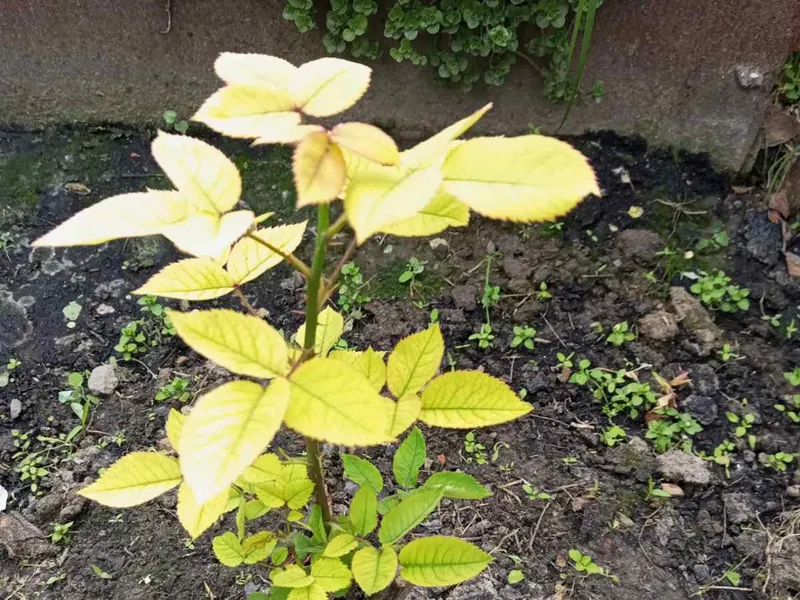
Young rose leaves turned pale yellow from iron chlorosis
Photo: “Iron chlorosis on young rose leaves in a garden, by baby-bear.org” by Natalka Ukraine, CC BY 4.0, via Wikimedia Commons (cropped).

Iron chlorosisGrowing problem

What you'll see: New leaves turn yellow while the veins stay green. The soil is almost always not acid enough for blueberries.

Prevent

  • Test the soil before planting; blueberries want acid soil, best around pH 4.8 to 5.2.
  • Lower the pH with elemental sulfur the fall before planting; it takes months to work.
  • Retest every year or two before adding more.

Organic options

  • Elemental sulfur worked into the soil, as a soil test directs.

Conventional options

  • A chelated iron spray greens leaves for a while but does not fix the soil.

Read and follow the product label: it is the law. It sets the rate, the crops it is for, and the days between spraying and picking. Products registered vary by state; for organic growing, look for products allowed under the USDA National Organic Program (OMRI Listed). We name active ingredients, not brands or rates.

ShareShare a link to this growing guide.

Share this growing guide

The link opens this growing guide, so anyone can read it and look up their own planting dates.

FacebookShare this link on Facebook.XShare this link on X.LinkedInShare this link on LinkedIn.RedditShare this link on Reddit.PinterestShare this link on Pinterest.EmailEmail this link.Open your device's share menu. Copy the link to your clipboard.

Growing more than you can eat? Sell it at a farm stand. TallyTill takes cards and keeps count of what sells, and the Stand plan is free.
Get started with TallyTill for free

Sources

Planting dates and growing facts checked against these university extension and USDA pages:

Growth-stage drawings: TallyTill.

Reconnecting…
One moment — we're restoring your session.