Takes a light frost. Sow outdoors 2 to 3 weeks before your last frost; sow in fall 10 to 12 weeks before your first fall frost. First harvest 65 to 100 days from sowing.
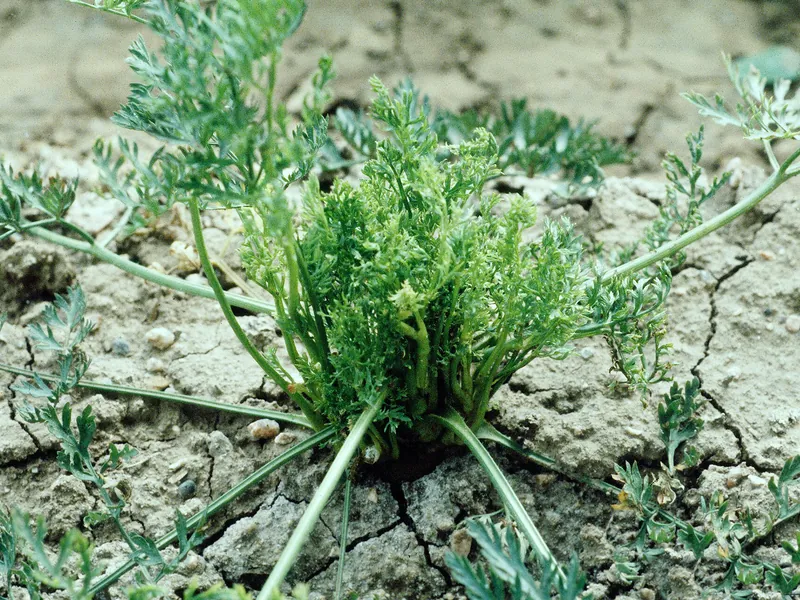
What you'll see: New leaves yellow and twist, and plants stay stunted with a tuft of thin shoots. Carrot roots turn small, hairy and bitter.
Prevent
Pull weeds such as wild carrot, chicory and dandelion that carry the disease.
Cover young plants with row cover to keep the leafhoppers that spread it off them.
Grow varieties sold as resistant or tolerant, where offered.
Organic options
Remove and destroy infected plants as soon as you see them.
Conventional options
None. No spray cures an infected plant.
Alternaria leaf blightDisease
What you'll see: Small dark brown spots with yellow edges show on older carrot leaves. The spots join, leaves brown and wither, and tops may snap off when you pull the roots.
Prevent
Start with fresh, clean seed and grow carrots in a different bed for 3 years or more.
Water the soil, not the leaves, and water early so leaves dry before night.
Clear carrot tops and debris from the bed after harvest.
Organic options
Pull off the worst leaves as soon as spots appear.
A copper fungicide can protect new leaves. Look for OMRI Listed products.
Conventional options
Chlorothalonil, if carrots are on the label, started at the first spots.
Bee caution: Don't spray open flowers. Spray in the late evening, when bees aren't flying.
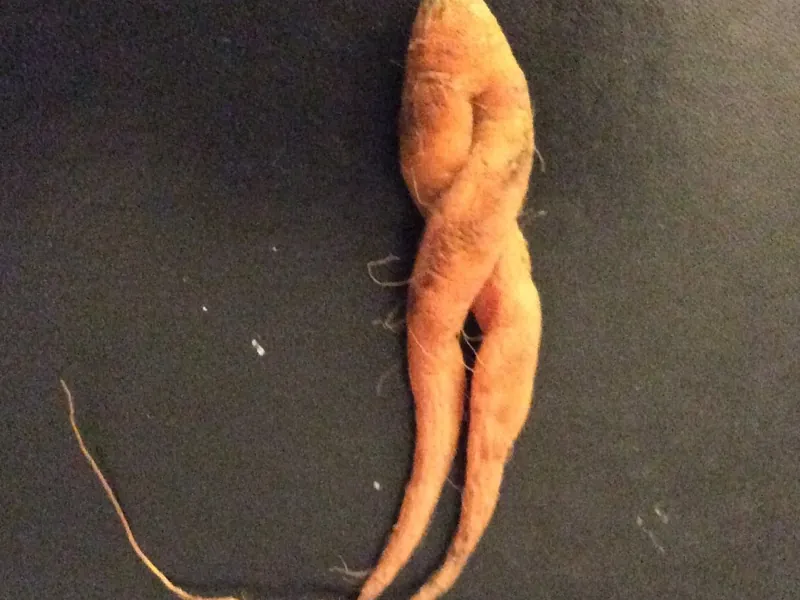
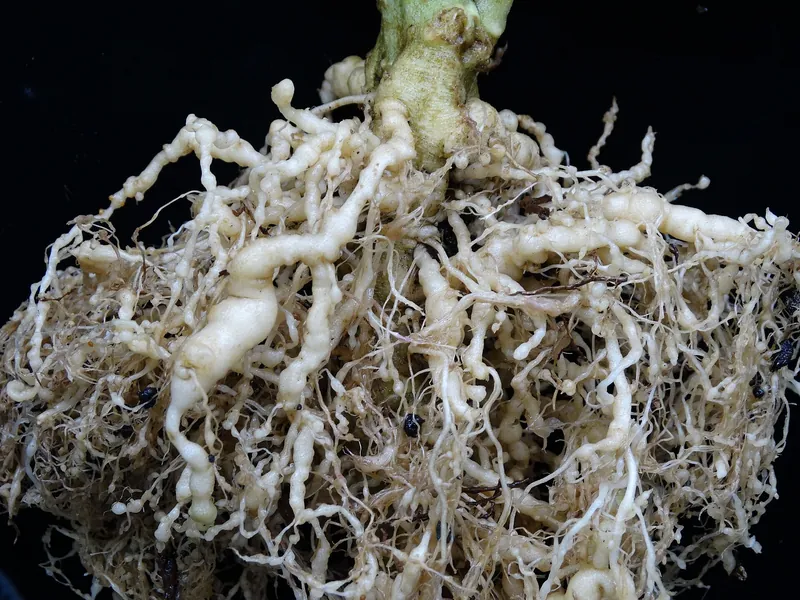
What you'll see: Plants are stunted and wilt in the heat. Roots have knobby swellings, and carrots may fork.
Prevent
Grow resistant varieties; look for N on the label.
Rotate susceptible crops, or move the garden.
Solarize the bed: clear plastic over moist, tilled soil for 6 weeks or more in summer.
Grow French marigolds as a cover in infested beds.
Organic options
Pull and remove roots after harvest.
Keep an infested bed bare and tilled through the summer.
Conventional options
None for home gardens; nematicides are for commercial applicators.
Read and follow the product label: it is the law. It sets the rate, the crops it is for, and the days between spraying and picking. Products registered vary by state; for organic growing, look for products allowed under the USDA National Organic Program (OMRI Listed). We name active ingredients, not brands or rates.
The link opens this growing guide, so anyone can read it and look up their own planting dates.
FacebookShare this link on Facebook.XShare this link on X.LinkedInShare this link on LinkedIn.RedditShare this link on Reddit.PinterestShare this link on Pinterest.EmailEmail this link.Open your device's share menu.Copy the link to your clipboard.
Growing more than you can eat? Sell it at a farm stand. TallyTill takes cards and keeps count of what sells, and the Stand plan is free.
 Sow
 Sprout
 True leaves
 Thin
 Root swells
 Harvest