Takes a hard frost. Sow in fall 6 to 8 weeks before your first fall frost. Ready to turn under 200 to 240 days from sowing.
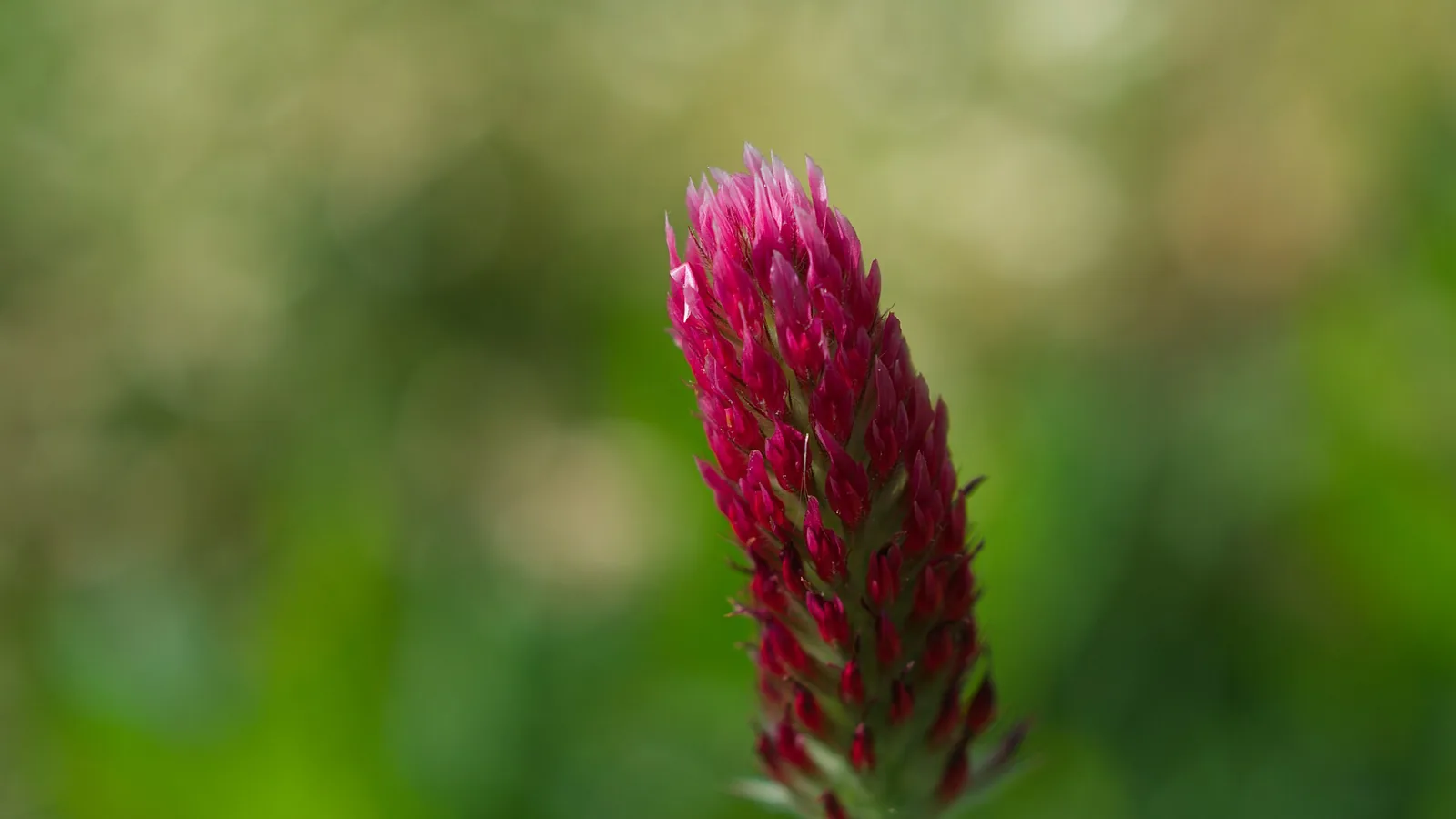
Photo: “Crimson Clover” by Willie Luker from USA, CC BY-SA 4.0, via Wikimedia Commons (cropped). The cropped version is shared under the same licence.
Full sun to part shadeSome afternoon shade is fine
200–240 daysTo turn under
Soil 42 °F +pH 5.5–7.0
HardyTakes a hard frost
Your dates
Put in your ZIP code to see when to start, plant and harvest crimson clover where you live, from your own frost dates.
Open my planting calendarOpen the planting calendarAdd this crop to the calendar saved on this device
From seed to harvest
SowSeed goes inWeek 0
SproutFirst shoots showWeek 1
Ground coverCovers the soilWeek 4–8
OverwinterHolds through winterWeek 8–12
FlowersFlowers openWeek 28–32
TerminateCut or turn underWeek 29–34
How to plant and grow
Inoculate the seed
If crimson clover has not grown there in the last few years, coat seed with the clover rhizobium inoculant right before sowing so roots fix nitrogen.
Sow in late summer
Sow about 6 to 8 weeks before the average first fall frost so plants root in before winter.
Seed shallow
Sow no deeper than 1/4 inch in clay soil, or 1/2 to 3/4 inch in sandy soil. Rake broadcast seed in lightly.
Let it overwinter
Plants form a low rosette in fall and grow fast in early spring. Avoid very thick, rank stands in wet winters, which favor crown rot.
Terminate at bloom
For the most nitrogen, wait until late bloom or early seed set, then mow close, roller-crimp, or till it in. Cutting before late bud may let it regrow.
Wait to plant
Allow about 3 weeks after turning it under before planting the next crop so the residue can break down.
Common problems
Crown rotDiseaseNo spray helps
What you'll see: The crown at the soil line turns brown and soft or dry. The plant yellows, wilts, or fails to come back in spring.
Prevent
Plant only in well-drained soil, or on raised beds or mounds.
Buy healthy, disease-free crowns.
Do not overwater, and keep water off the crown.
Organic options
Dig out and discard dead or dying crowns.
Fix drainage before replanting in the same spot.
Conventional options
None worth using at home. Fungicides do little once crowns rot.
Clover head weevilPestSprays are rarely needed
What you'll see: Small weevil larvae feed in clover flower heads and on the developing seed. Heads set little seed, so the stand reseeds poorly.
Prevent
The damage is to flowers and seed, so clover turned under at bloom loses little.
If you want clover to reseed, look for adults from the start of bloom.
Organic options
Mow or turn the clover under at bloom, before seed forms.
Conventional options
Spraying is for clover seed growers, under a label that lists clover. Never spray clover in flower; bees work it.
WinterkillGrowing problemNo spray helps
What you'll see: Clover stands thin out or die over winter, most often in cold areas and late-sown stands.
Prevent
Sow in late summer, early enough for plants to establish before hard frost.
In cold zones, mix it with a small grain such as rye.
Choose hardier varieties; winter hardiness varies a lot between them.
Organic options
Reseed bare patches in spring, or plan on it winterkilling as an easy cover to turn under.
Conventional options
None. Timing and variety prevent it.
Read and follow the product label: it is the law. It sets the rate, the crops it is for, and the days between spraying and picking. Products registered vary by state; for organic growing, look for products allowed under the USDA National Organic Program (OMRI Listed). We name active ingredients, not brands or rates.
The link opens this growing guide, so anyone can read it and look up their own planting dates.
FacebookShare this link on Facebook.XShare this link on X.LinkedInShare this link on LinkedIn.RedditShare this link on Reddit.PinterestShare this link on Pinterest.EmailEmail this link.Open your device's share menu.Copy the link to your clipboard.
Growing more than you can eat? Sell it at a farm stand. TallyTill takes cards and keeps count of what sells, and the Stand plan is free.
 Sow
 Sprout
 Ground cover
 Overwinter
 Flowers
 Terminate
