Warm-season and frost-tender. Start indoors 6 to 8 weeks before your last frost; plant out 2 to 4 weeks after your last frost. First harvest 60 to 80 days from planting.
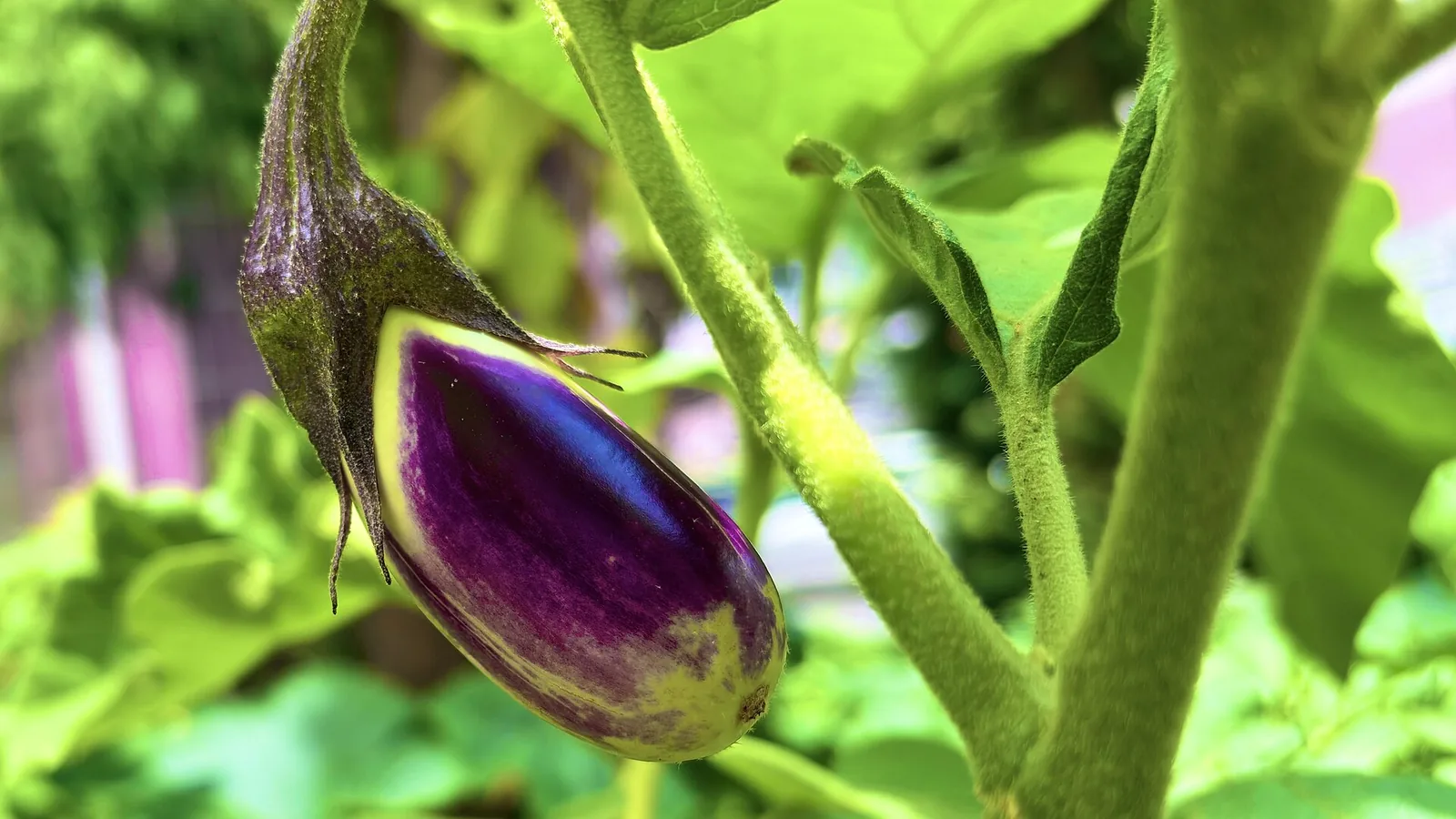
Photo: “Solanum melongena 2025” by Qian2007, CC BY-SA 4.0, via Wikimedia Commons (cropped). The cropped version is shared under the same licence.
Full sun6–8 hours or more
18–30 in apartRows 30–48 in
60–80 daysFrom planting out
Soil 60 °F +pH 5.5–7.5
1–1½ in a weekEven watering
Frost-tenderHurt by frost and cold wind
Your dates
Put in your ZIP code to see when to start, plant and harvest eggplants where you live, from your own frost dates.
Open my planting calendarOpen the planting calendarAdd this crop to the calendar saved on this device
From seed to harvest
SowSeed goes inWeek 0
SproutFirst shoots showWeek 1–2
Plant outSet out transplantsWeek 6–8
FlowersFlowers openWeek 10–12
Fruit setsSmall fruit formsWeek 11–13
HarvestReady to pickWeek 15–20
How to plant and grow
Start seeds indoors
Sow seeds 1/4 inch deep 6 to 8 weeks before your last frost. Keep the soil at 75 to 85 °F until sprouts appear.
Wait for warm weather
Plant out only when night lows stay above 50 °F. Eggplant chilled early may never fully recover.
Space and mulch
Set plants 18 to 30 inches apart in rows 30 to 48 inches apart. Dark plastic or organic mulch keeps soil warm and moist.
Water steadily
If rain gives less than an inch a week, soak the soil deeply at least once a week, especially while fruit is forming.
Watch for beetles
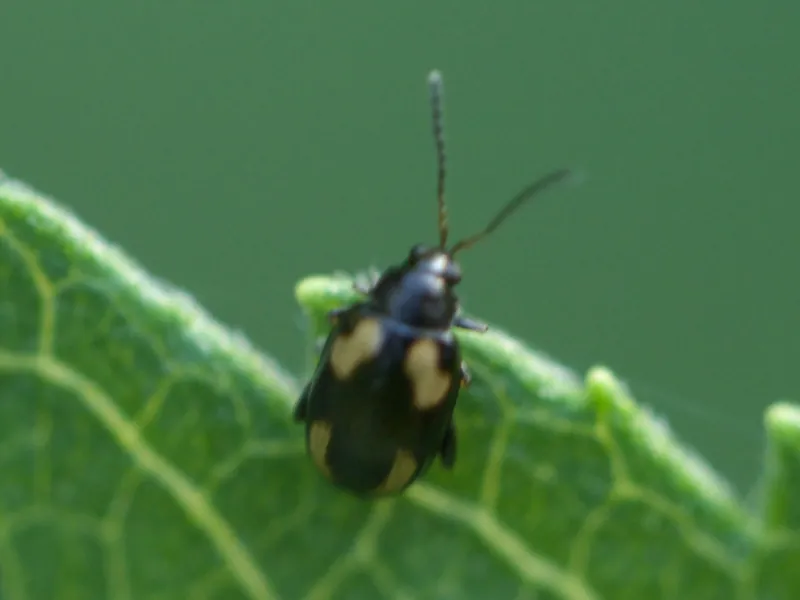
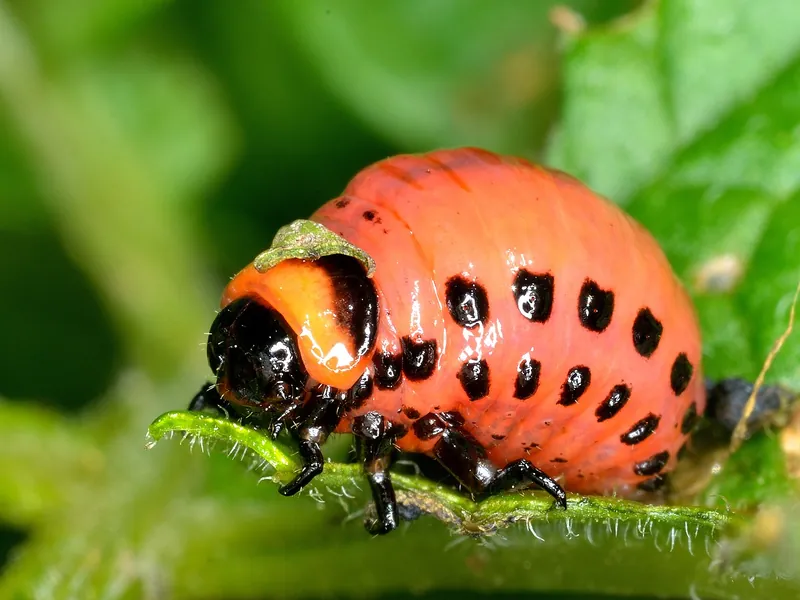
Check young plants often for tiny flea beetles and striped potato beetles. Row covers can protect seedlings early in the season.
Cut fruit glossy
Harvest when fruits are full size with shiny skin. Clip the stem with shears instead of pulling. Dull, seedy fruit is past its best.
What you'll see: Yellow-and-black striped beetles and humped red-orange larvae strip potato and eggplant leaves. Orange egg clusters sit under the leaves.
Prevent
Plant potatoes and eggplant as far from last year's spot as you can.
Check under leaves and crush egg clusters.
Organic options
Hand-pick beetles and larvae into soapy water.
Spinosad, Bt (Bacillus thuringiensis tenebrionis) or neem on young larvae. Look for OMRI Listed products.
Conventional options
Permethrin or esfenvalerate, if the crop is on the label. Beetles resist many garden insecticides, so switch types if one fails.
Bee caution: Don't spray open flowers. Spray in the late evening, when bees aren't flying.
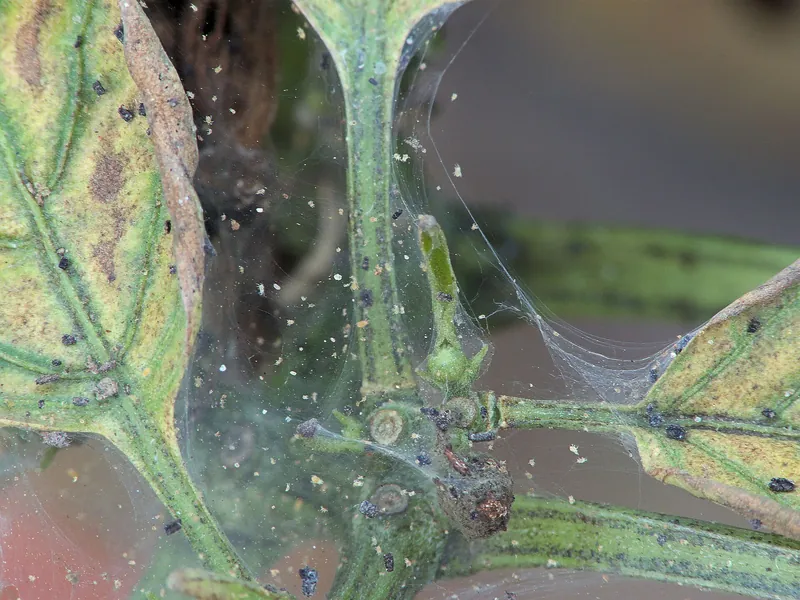
Avoid broad insecticides; they kill mite predators and can start an outbreak.
Organic options
Hose leaf undersides hard, often.
Insecticidal soap or horticultural oil on leaf undersides, repeated as the label allows.
Release predatory mites once pest mites are present.
Conventional options
Same as organic. Broad insecticides often make mites worse.
Bee caution: Don't spray open flowers. Spray in the late evening, when bees aren't flying.
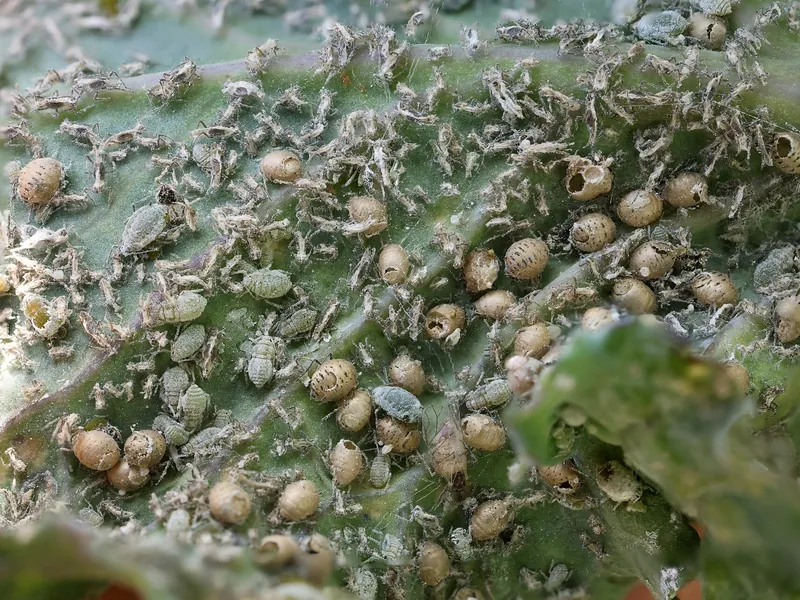
Photo: “Aphids on Kale leaf” by Sanjay Acharya, CC BY-SA 4.0, via Wikimedia Commons (cropped). The cropped version is shared under the same licence.
AphidsPest
What you'll see: Clusters of small, soft-bodied green, black or gray insects on new shoots and under leaves. Leaves curl, and a sticky film may coat them.
Prevent
Check leaf undersides each week; a few aphids do little harm.
Pull nearby weeds, such as wild mustards, that feed aphids.
Grow flowers for lady beetles, lacewings and hover flies, and avoid broad sprays that kill them.
Organic options
Knock aphids off with a strong spray of water.
Insecticidal soap or horticultural oil on leaf undersides, repeated as the label allows.
Neem oil, or OMRI Listed pyrethrins (without piperonyl butoxide).
Conventional options
Malathion or permethrin, if the crop is on the label. These also kill the insects that eat aphids.
Bee caution: Don't spray open flowers. Spray in the late evening, when bees aren't flying.
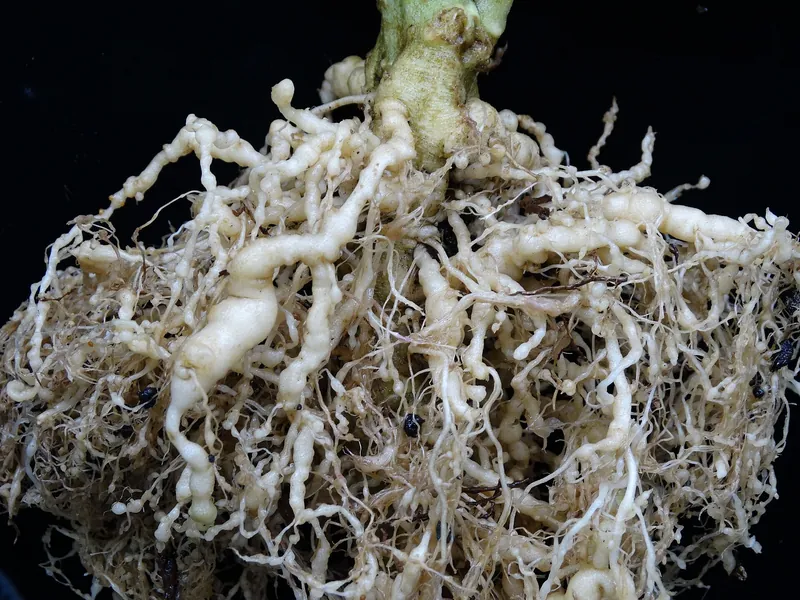
What you'll see: Plants are stunted and wilt in the heat. Roots have knobby swellings, and carrots may fork.
Prevent
Grow resistant varieties; look for N on the label.
Rotate susceptible crops, or move the garden.
Solarize the bed: clear plastic over moist, tilled soil for 6 weeks or more in summer.
Grow French marigolds as a cover in infested beds.
Organic options
Pull and remove roots after harvest.
Keep an infested bed bare and tilled through the summer.
Conventional options
None for home gardens; nematicides are for commercial applicators.
Read and follow the product label: it is the law. It sets the rate, the crops it is for, and the days between spraying and picking. Products registered vary by state; for organic growing, look for products allowed under the USDA National Organic Program (OMRI Listed). We name active ingredients, not brands or rates.
The link opens this growing guide, so anyone can read it and look up their own planting dates.
FacebookShare this link on Facebook.XShare this link on X.LinkedInShare this link on LinkedIn.RedditShare this link on Reddit.PinterestShare this link on Pinterest.EmailEmail this link.Open your device's share menu.Copy the link to your clipboard.
Growing more than you can eat? Sell it at a farm stand. TallyTill takes cards and keeps count of what sells, and the Stand plan is free.
 Sow
 Sprout
 Plant out
 Flowers
 Fruit sets
 Harvest