Takes a hard frost. Start indoors 8 to 12 weeks before your last frost; plant out 2 to 4 weeks before your last frost; sow outdoors 3 weeks before your last frost. First harvest 70 to 120 days from planting.
Put in your ZIP code to see when to start, plant and harvest leeks where you live, from your own frost dates.
Open my planting calendarOpen the planting calendarAdd this crop to the calendar saved on this device
From seed to harvest
PlantSet in the groundWeek 0
SproutFirst shoots showWeek 1–2
Leaf growthLeaves fill outWeek 3–6
Bulb swellsBulbs fattenWeek 10–14
Tops fallLeaves flop and yellowWeek 12–16
HarvestReady to pickWeek 14–21
How to plant and grow
Start seeds indoors
Sow seed 1/4 to 1/2 inch deep about 8 to 12 weeks before your last frost. Seed sprouts best at 75 to 85 °F, usually in 1 to 2 weeks.
Set out before last frost
Harden seedlings off for about a week, then plant them out 2 to 4 weeks before your last frost. Leeks handle cold well.
Plant deep to blanch
Set each plant in a hole or trench about 6 inches deep, 2 to 6 inches apart. Fill in or mound soil as they grow for long white stems.
Or sow outdoors
Seed can go in the garden about 3 weeks before the last frost. Thin to 4 to 6 inches apart. Direct-sown leeks are slower to size up.
Water and weed
Give about 1 inch of water a week and keep weeds pulled, since shallow leek roots compete poorly. Mulch holds moisture.
Harvest into winter
Dig leeks once stems are about 1 inch thick. Frost does not hurt them, so harvest can run into late fall; heavy mulch helps them overwinter in mild areas.
Common problems
Onion thripsPest
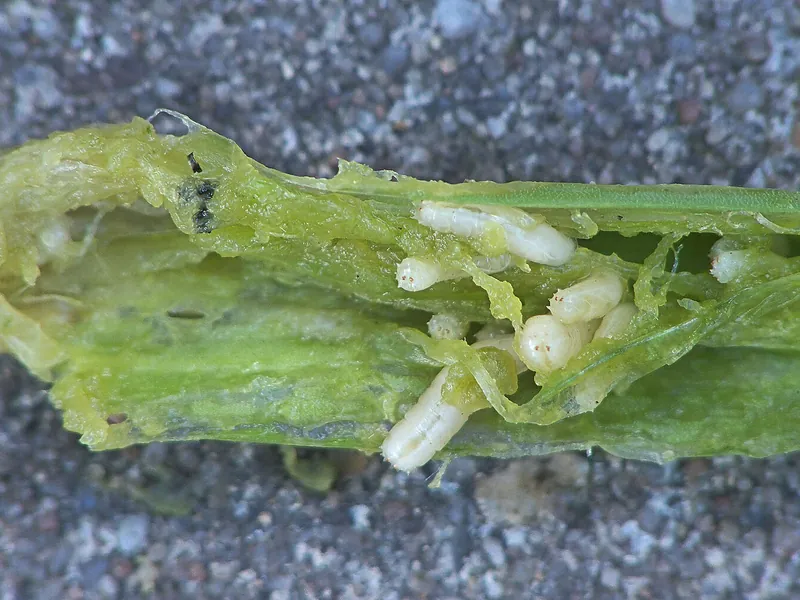
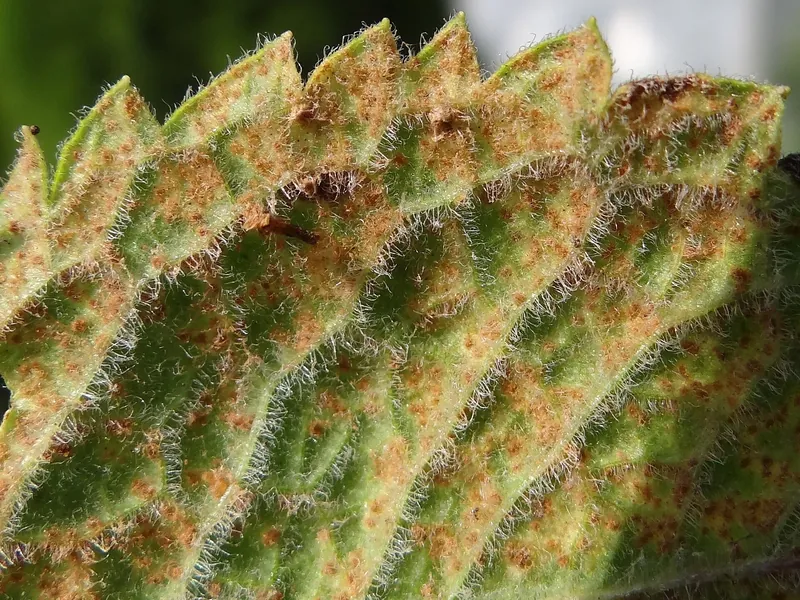
What you'll see: Silvery streaks and blotches on leaves, with tiny black specks. The tiny, slender insects hide deep in the neck.
Prevent
Control weeds and remove onion culls and debris.
Overhead watering or heavy rain knocks numbers down.
Organic options
Insecticidal soap or spinosad, aimed down into the neck. Look for OMRI Listed products.
Conventional options
Several insecticides are labeled; check the crop is listed. Thrips grow resistant when one product is used over and over.
Bee caution: Don't spray open flowers. Spray in the late evening, when bees aren't flying.
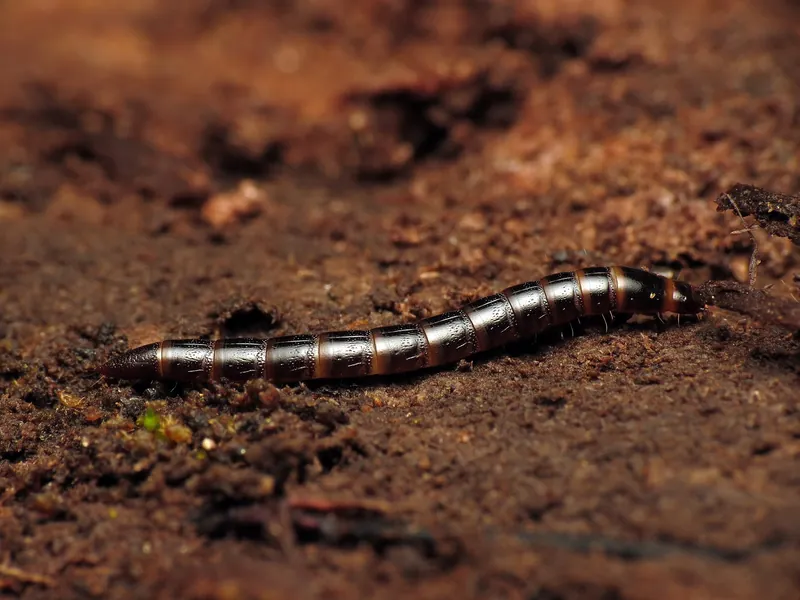
What you'll see: Thin, shiny, yellow-brown larvae bore narrow holes into potatoes, roots and seeds. Seedlings may wilt.
Prevent
Expect them in beds newly made from lawn or sod.
Bury chunks of potato as bait, dig them up after about a week, and destroy the larvae.
Rotate crops.
Organic options
Bait with potato or carrot pieces, and check and destroy the catch often.
Conventional options
Insecticides worked into the soil before planting are an option only where wireworms have been a serious problem; most are farm products.
Read and follow the product label: it is the law. It sets the rate, the crops it is for, and the days between spraying and picking. Products registered vary by state; for organic growing, look for products allowed under the USDA National Organic Program (OMRI Listed). We name active ingredients, not brands or rates.
The link opens this growing guide, so anyone can read it and look up their own planting dates.
FacebookShare this link on Facebook.XShare this link on X.LinkedInShare this link on LinkedIn.RedditShare this link on Reddit.PinterestShare this link on Pinterest.EmailEmail this link.Open your device's share menu.Copy the link to your clipboard.
Growing more than you can eat? Sell it at a farm stand. TallyTill takes cards and keeps count of what sells, and the Stand plan is free.
 Plant
 Sprout
 Leaf growth
 Bulb swells
 Tops fall
 Harvest