Takes a hard frost. Start indoors 6 to 8 weeks before your last frost; plant out up to 3 weeks before your last frost; sow outdoors 2 to 3 weeks before your last frost; sow in fall 6 to 12 weeks before your first fall frost. First harvest 40 to 75 days from sowing.
Put in your ZIP code to see when to start, plant and harvest lettuce where you live, from your own frost dates.
Open my planting calendarOpen the planting calendarAdd this crop to the calendar saved on this device
From seed to harvest
SowSeed goes inWeek 0
SproutFirst shoots showWeek 1
True leavesFirst real leavesWeek 2–3
Thin or plant outGive each plant roomWeek 3–4
Leaf growthLeaves fill outWeek 4–5
HarvestReady to pickWeek 6–11
How to plant and grow
Start early
Sow seed indoors 6 to 8 weeks before your last spring frost, or sow outdoors 2 to 3 weeks before it once the soil is about 40 °F.
Sow shallow
Cover seed with only about 1/4 inch of soil. Lettuce seed needs light and cool soil to sprout well.
Thin or set out
Thin leaf types to about 4 to 10 inches apart. Give heading types about 12 inches. Set out transplants up to 3 weeks before last frost.
Keep it moist
Water evenly, about 1 to 2 inches a week. Dry spells make leaves bitter and tough and can cause brown leaf edges.
Sow again
Make small sowings every couple of weeks in spring. Start again in late summer for a fall crop that matures before hard frost.
Harvest cool
Pick leaf lettuce any time leaves are big enough. Cut heads when firm. Harvest before hot weather makes plants bolt.
Common problems
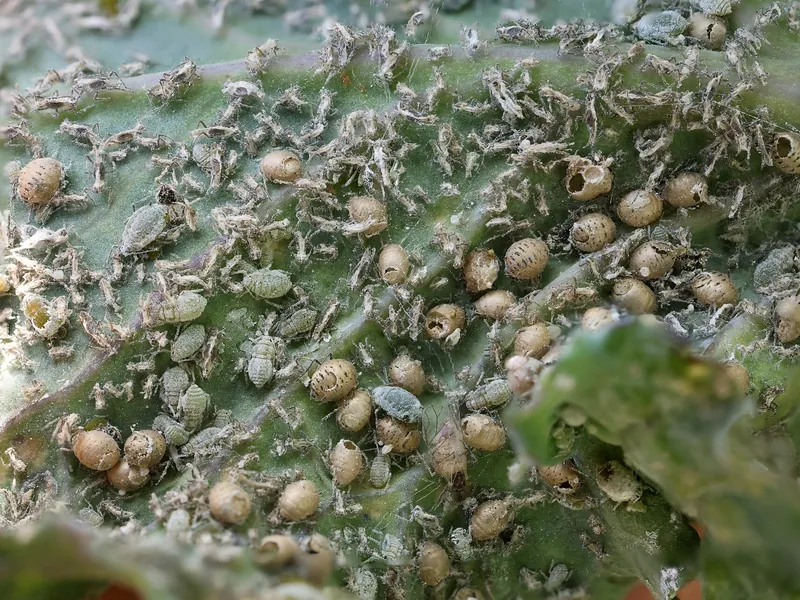
Photo: “Aphids on Kale leaf” by Sanjay Acharya, CC BY-SA 4.0, via Wikimedia Commons (cropped). The cropped version is shared under the same licence.
AphidsPest
What you'll see: Clusters of small, soft-bodied green, black or gray insects on new shoots and under leaves. Leaves curl, and a sticky film may coat them.
Prevent
Check leaf undersides each week; a few aphids do little harm.
Pull nearby weeds, such as wild mustards, that feed aphids.
Grow flowers for lady beetles, lacewings and hover flies, and avoid broad sprays that kill them.
Organic options
Knock aphids off with a strong spray of water.
Insecticidal soap or horticultural oil on leaf undersides, repeated as the label allows.
Neem oil, or OMRI Listed pyrethrins (without piperonyl butoxide).
Conventional options
Malathion or permethrin, if the crop is on the label. These also kill the insects that eat aphids.
Bee caution: Don't spray open flowers. Spray in the late evening, when bees aren't flying.
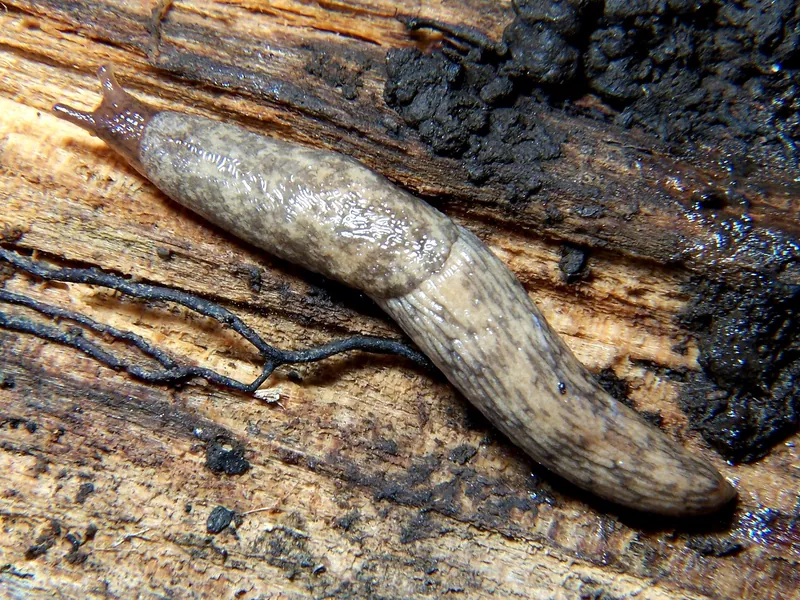
Photo: “Deroceras reticulatum” by Bruce Marlin, CC BY-SA 3.0, via Wikimedia Commons (cropped). The cropped version is shared under the same licence.
SlugsPest
What you'll see: Ragged holes in leaves and fruit, and shiny slime trails, mostly after damp nights.
Prevent
Clear mulch and leaf litter close to plants so the ground can dry.
Start early; do not wait for a heavy infestation.
Organic options
Sink shallow containers of beer to the rim; empty and refill them often.
Iron phosphate bait scattered on the soil around plants. Look for OMRI Listed products.
Conventional options
Same as organic: iron phosphate bait is the pick for food gardens, being far less harmful to pets and wildlife.
TipburnGrowing problemNo spray helps
What you'll see: The edges of inner leaves turn brown and papery, often in a hot spell. The fast-growing heart runs short of calcium.
Prevent
Keep soil moisture steady, especially in hot weather.
Grow varieties less prone to tipburn.
Avoid pushing fast growth with heavy feeding.
Organic options
Pick lettuce before a heat wave if you can, and trim brown edges.
Conventional options
None. Extra calcium seldom helps when the soil already has enough.
BoltingGrowing problemNo spray helps
What you'll see: The plant sends up a flower stalk early, and the leaves turn small and bitter. Long days and heat set it off, and in bok choy and other cabbage-family greens so can a late frost or a week of nights below 50 °F.
Prevent
Sow in the cool, shorter days of spring and fall.
Sow small amounts every few weeks rather than all at once.
Choose varieties sold as slow to bolt.
Give afternoon shade in hot spells.
Organic options
Harvest as soon as a stalk starts. Let a few cilantro or dill plants flower for seed and for helpful insects.
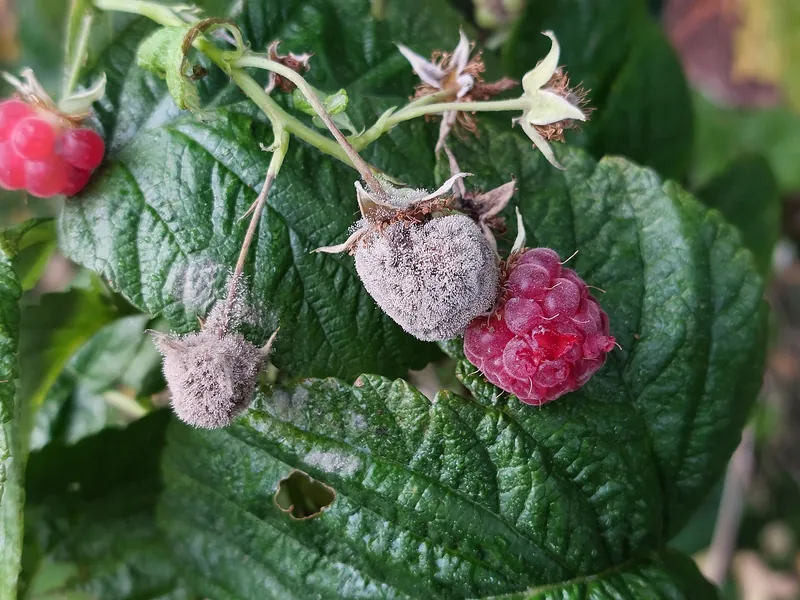
What you'll see: Soft brown rot covered in fuzzy gray mold on fruit, flowers or leaves, or small sunken brown or gray spots near the base of shallot bulbs. It is worst in cool, wet weather.
Prevent
Mulch strawberries with straw so fruit does not touch damp soil.
Space plants for air flow and water at the base in the morning.
Go easy on nitrogen in spring.
Pick ripe fruit often and remove rotting fruit and dead flowers.
Organic options
Remove moldy fruit and plant parts. Organic sprays have little proof of working, so rely on the steps above.
Conventional options
Same as organic. In home gardens the steps above work best; fungicides are mainly for commercial growers.
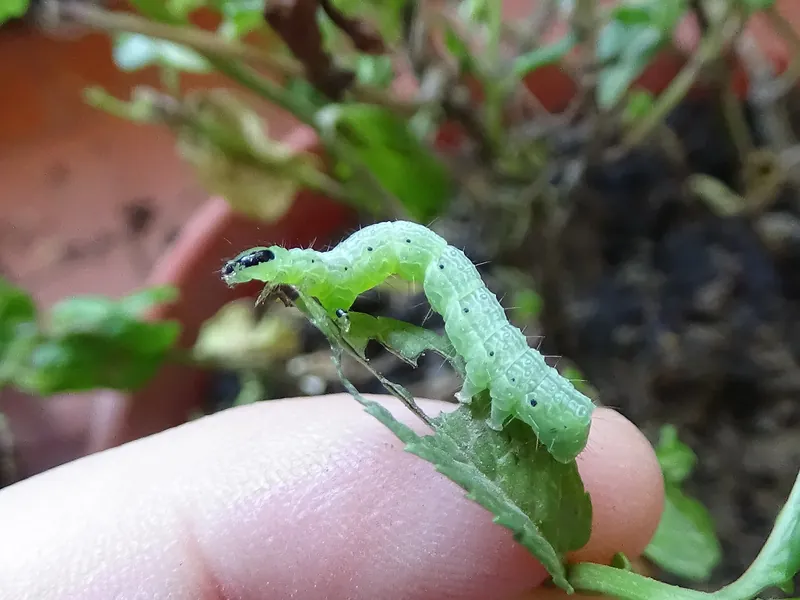
What you'll see: Pale green caterpillars that arch their backs as they crawl chew ragged holes in leaves.
Prevent
Cover young plants with row cover.
Check leaf undersides each week and pick off caterpillars.
Organic options
Hand-pick caterpillars.
Bt (Bacillus thuringiensis kurstaki) or spinosad on young caterpillars. Look for OMRI Listed products.
Conventional options
Same as organic: Bt and spinosad are the usual choices.
Bee caution: Don't spray open flowers. Spray in the late evening, when bees aren't flying.
Read and follow the product label: it is the law. It sets the rate, the crops it is for, and the days between spraying and picking. Products registered vary by state; for organic growing, look for products allowed under the USDA National Organic Program (OMRI Listed). We name active ingredients, not brands or rates.
The link opens this growing guide, so anyone can read it and look up their own planting dates.
FacebookShare this link on Facebook.XShare this link on X.LinkedInShare this link on LinkedIn.RedditShare this link on Reddit.PinterestShare this link on Pinterest.EmailEmail this link.Open your device's share menu.Copy the link to your clipboard.
Growing more than you can eat? Sell it at a farm stand. TallyTill takes cards and keeps count of what sells, and the Stand plan is free.
 Sow
 Sprout
 True leaves
 Thin or plant out
 Leaf growth
 Harvest