Put in your ZIP code to see when to start, plant and harvest raspberries where you live, from your own frost dates.
Open my planting calendarOpen the planting calendarAdd this crop to the calendar saved on this device
From seed to harvest
PlantSet in the groundWeek 0
EstablishRoots take holdWeek 1–4
DormantRests over winterWeek 26–32
FlowersFlowers openWeek 56–60
Fruit setsSmall fruit formsWeek 58–62
HarvestReady to pickWeek 60–68
How to plant and grow
Choose a clean site
Pick full sun and well-drained soil, or use raised beds. Stay away from wild brambles and from ground that grew tomatoes, potatoes or eggplant last year.
Plant in early spring
Set bare-root canes as soon as the soil can be worked. Potted plants can go in after frost danger passes.
Space the rows
Set red raspberries about 2 feet apart in a row. Black and purple types need more room. Leave about 10 feet between rows.
Keep a narrow row
Let new canes fill in, but keep the row no wider than about a foot so air moves and picking stays easy.
Water during fruiting
Give 1 to 1.5 inches of water a week from flowering through harvest.
Prune each year
On summer-bearing types, cut canes that fruited to the ground after harvest. Thin the rest in late winter to the strongest canes.
Pick often
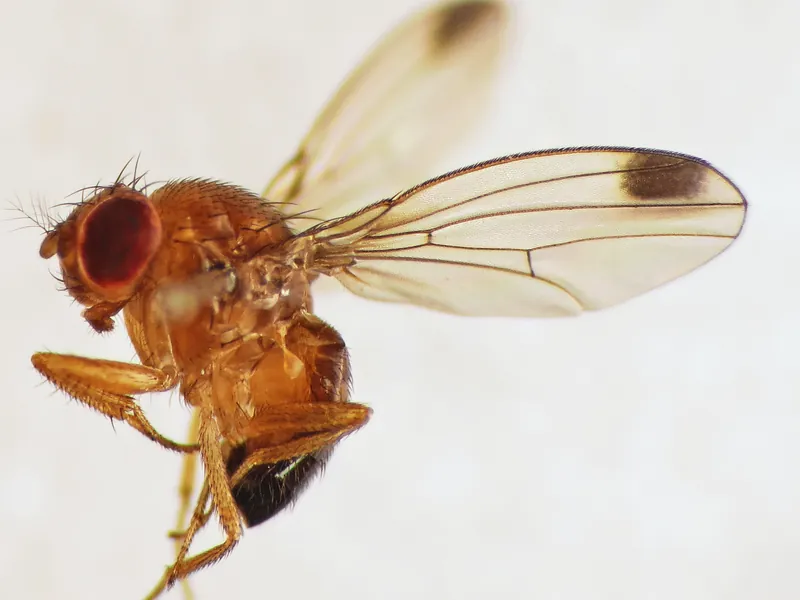
Berries ripen over a couple of weeks per variety. Pick every day or two and chill fruit quickly to slow fruit flies.
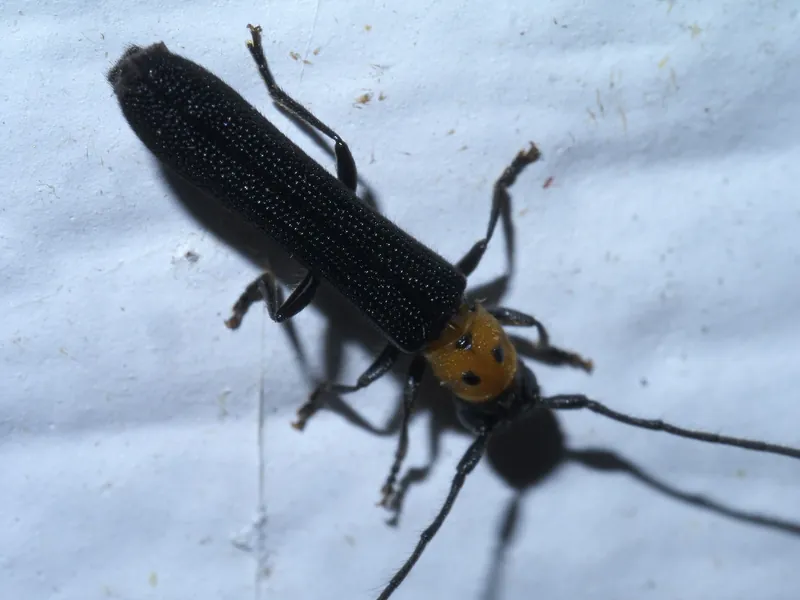
What you'll see: Cane tips wilt and droop in early summer, with two rings of punctures a little way below the wilt.
Prevent
Check canes each week in early summer.
Prune wilted tips well below the lower ring of punctures, and destroy them; do not compost.
Look again the next spring and prune out any new wilted tips.
Organic options
Pruning out wilted tips is the control.
Conventional options
Usually not needed; pruning controls it.
Cane blightDiseaseSprays are rarely needed
What you'll see: Canes wilt and die in summer, often as fruit starts. Dark brown to purple patches spread from pruning cuts and wounds.
Prevent
Prune only while plants are dormant, and cut old canes off at the ground with no stubs.
Keep rows narrow, weeded and in a sunny, well-drained spot.
Avoid wounding canes, and feed plants so canes grow strong.
Organic options
Cut out and remove infected canes. It can take two seasons or more of pruning to get ahead of it.
Conventional options
Where it has been serious, a preventive fungicide labeled for raspberries can protect fresh cuts. Pruning and clean-up matter more.
Root rotDiseaseNo spray helps
What you'll see: Plants yellow, wilt and die back even though the soil is wet. Roots are brown, soft and few, and bean seedlings may rot at the soil line.
Prevent
Plant in well-drained soil; grow raspberries on beds raised about a foot.
Do not overwater.
Plant beans and peas in a new spot each year, and sow them only once the soil has warmed.
Start with healthy plants, and do not move soil from a sick bed to a healthy one.
Organic options
Remove and dispose of dying plants and clear crop debris after harvest.
Conventional options
None. Fungicides have not proven effective in home gardens; drainage is the fix.
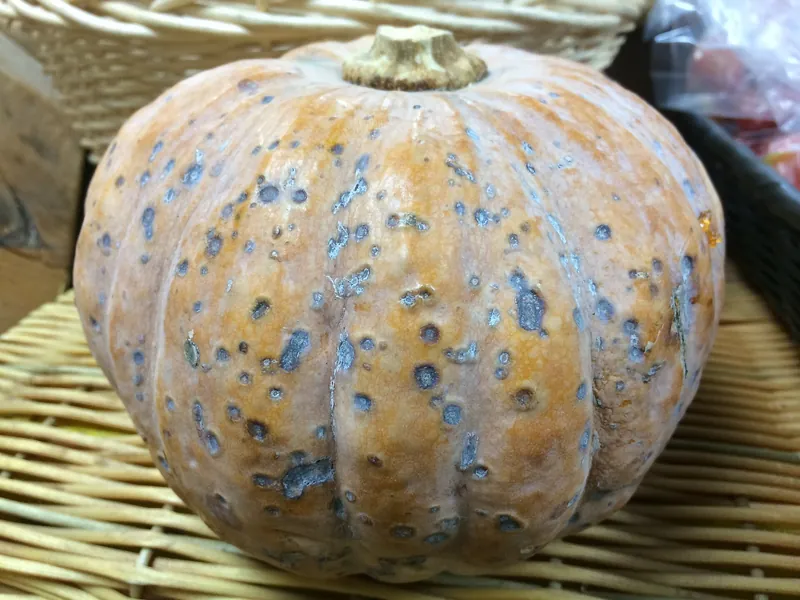
What you'll see: Sunken spots: tan to dark brown on cucumber and melon leaves and fruit, small purple-edged spots on raspberry canes. In wet weather the spots can ooze pink spore masses.
Prevent
Grow vine crops in a new bed each year and clear plant debris after harvest.
Water at the base, not overhead, so leaves stay dry.
Thin raspberry canes in winter for air flow and destroy the prunings.
Organic options
Remove spotted leaves, fruit and canes.
Copper fungicide, started when spots first appear in wet weather. Look for OMRI Listed products.
Conventional options
Chlorothalonil on vine crops, if the crop is on the label. It protects leaves best before the disease takes hold.
Bee caution: Don't spray open flowers. Spray in the late evening, when bees aren't flying.
Read and follow the product label: it is the law. It sets the rate, the crops it is for, and the days between spraying and picking. Products registered vary by state; for organic growing, look for products allowed under the USDA National Organic Program (OMRI Listed). We name active ingredients, not brands or rates.
The link opens this growing guide, so anyone can read it and look up their own planting dates.
FacebookShare this link on Facebook.XShare this link on X.LinkedInShare this link on LinkedIn.RedditShare this link on Reddit.PinterestShare this link on Pinterest.EmailEmail this link.Open your device's share menu.Copy the link to your clipboard.
Growing more than you can eat? Sell it at a farm stand. TallyTill takes cards and keeps count of what sells, and the Stand plan is free.
 Plant
 Establish
 Dormant
 Flowers
 Fruit sets
 Harvest