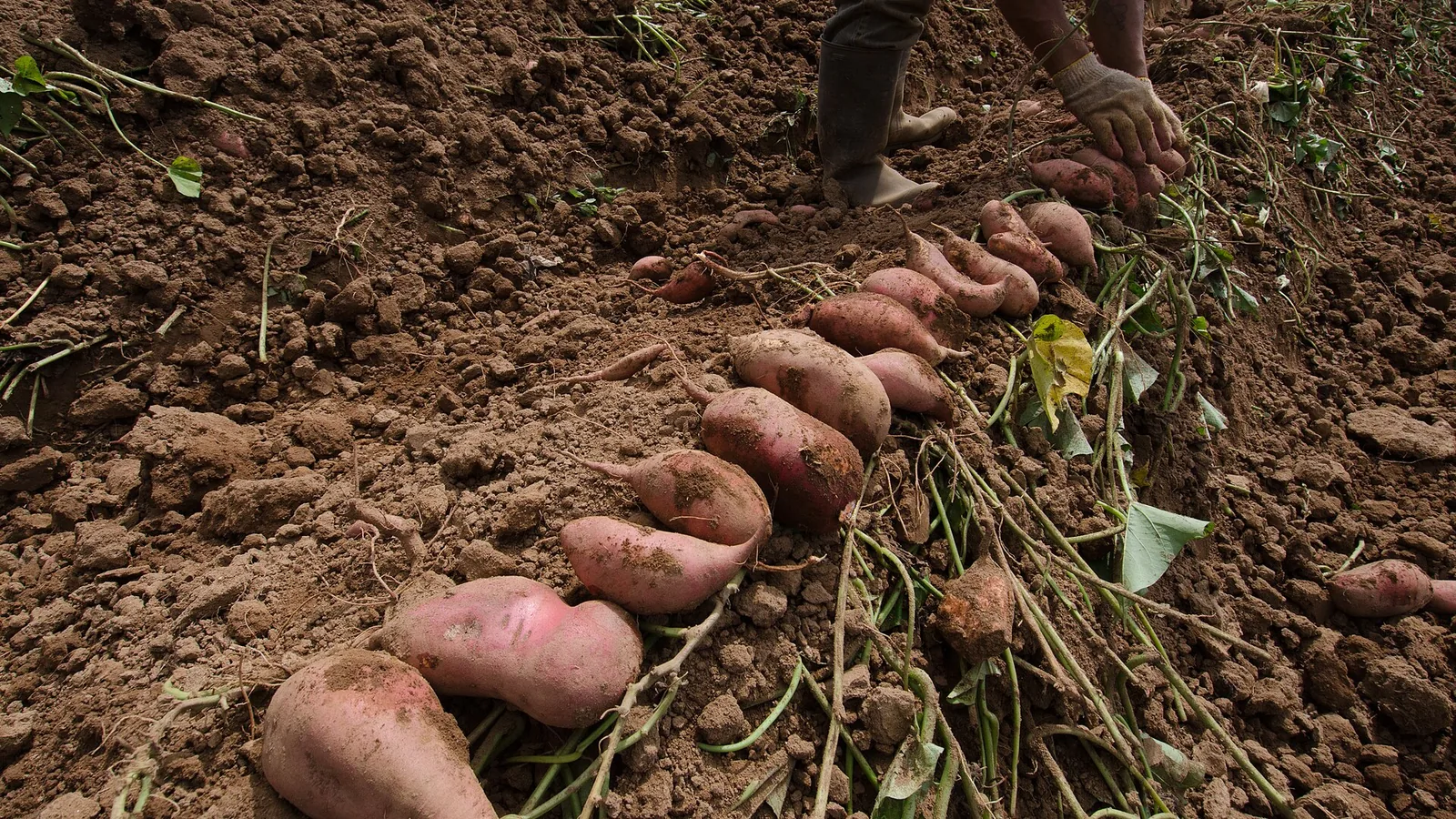
Freshly dug sweet potatoes lying in a row on the soil
How to grow

Sweet potatoes

Warm-season and frost-tender. Start indoors 2 to 4 weeks before your last frost; plant out 2 to 4 weeks after your last frost. First harvest 90 to 135 days from planting.

Photo: USDA, Public domain, via Wikimedia Commons.

  • Full sun6–8 hours or more
  • 8–12 in apartRows 3–4 ft
  • 90–135 daysFrom planting out
  • Soil 65 °F +To plant out
  • 1 in a weekEven watering
  • Frost-tenderHurt by frost and cold wind

Your dates

Put in your ZIP code to see when to start, plant and harvest sweet potatoes where you live, from your own frost dates.

Look up the frost dates for this ZIP code
Open my planting calendarOpen the planting calendar Add this crop to the calendar saved on this device

From seed to harvest

  1. PlantSet in the groundWeek 0
  2. SproutFirst shoots showWeek 2–3
  3. Leaf growthLeaves fill outWeek 4–5
  4. FlowersFlowers openWeek 6–8
  5. Tubers bulkTubers fill outWeek 12–16
  6. HarvestReady to pickWeek 19–25

How to plant and grow

  1. Grow slips

    About 6 weeks before planting out, lay roots in a warm bed or tray kept near 70 to 80 °F. Slips are ready when 6 to 8 inches tall.

  2. Wait for real warmth

    Plant slips well after last frost once soil is above 65 °F. Cold air below 50 °F can damage the plants.

  3. Set the slips

    Plant slips 3 to 4 inches deep and 8 to 12 inches apart in rows 3 to 4 feet apart. Water them in well.

  4. Water early, ease off late

    Give about 1 inch a week while vines grow. Cut back in the last 3 to 4 weeks, since heavy water late can split roots.

  5. Dig before frost

    Harvest about 3 to 4 months after planting and before a hard frost. Dig gently, as the skins bruise and scrape easily.

  6. Cure for sweetness

    Cure roots 1 to 2 weeks in a warm, humid spot near 80 to 85 °F, then store at 55 °F. Do not refrigerate.

Common problems

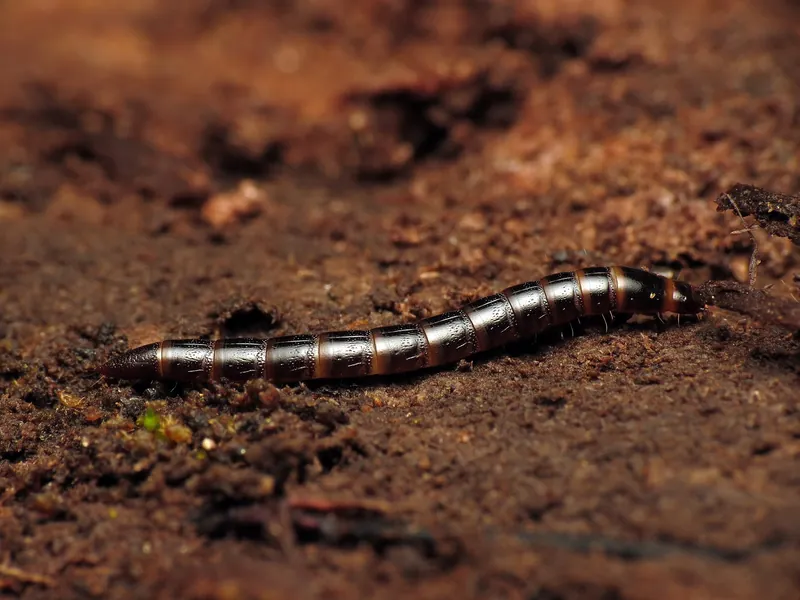
A shiny, segmented wireworm larva on soil
Photo: “Wireworm - Flickr - treegrow (1)” by Katja Schulz from Washington, D. C., USA, CC BY 2.0, via Wikimedia Commons (cropped).

WirewormsPestSprays are rarely needed

What you'll see: Thin, shiny, yellow-brown larvae bore narrow holes into potatoes, roots and seeds. Seedlings may wilt.

Prevent

  • Expect them in beds newly made from lawn or sod.
  • Bury chunks of potato as bait, dig them up after about a week, and destroy the larvae.
  • Rotate crops.

Organic options

  • Bait with potato or carrot pieces, and check and destroy the catch often.

Conventional options

  • Insecticides worked into the soil before planting are an option only where wireworms have been a serious problem; most are farm products.
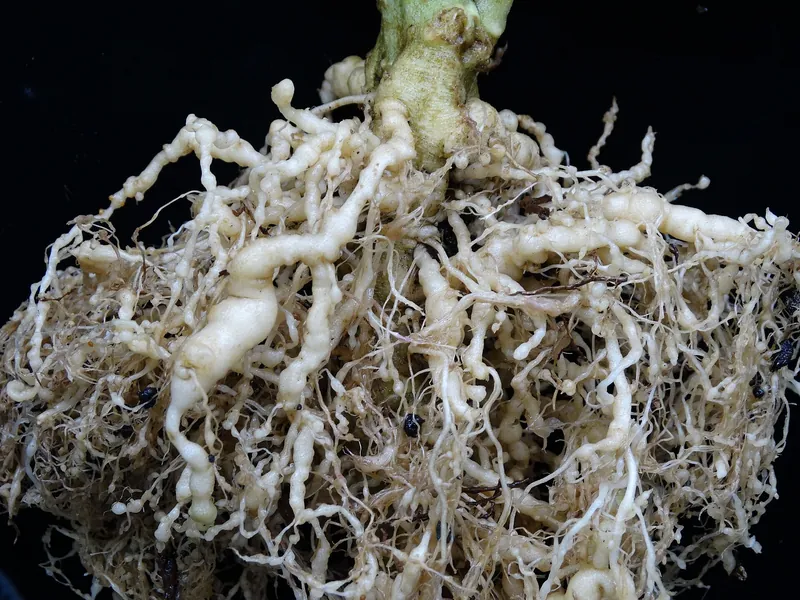
Tomato roots swollen with root-knot nematode galls
Photo: Plant pests and diseases, CC0, via Wikimedia Commons.

Root-knot nematodesPestNo spray helps

What you'll see: Plants are stunted and wilt in the heat. Roots have knobby swellings, and carrots may fork.

Prevent

  • Grow resistant varieties; look for N on the label.
  • Rotate susceptible crops, or move the garden.
  • Solarize the bed: clear plastic over moist, tilled soil for 6 weeks or more in summer.
  • Grow French marigolds as a cover in infested beds.

Organic options

  • Pull and remove roots after harvest.
  • Keep an infested bed bare and tilled through the summer.

Conventional options

  • None for home gardens; nematicides are for commercial applicators.
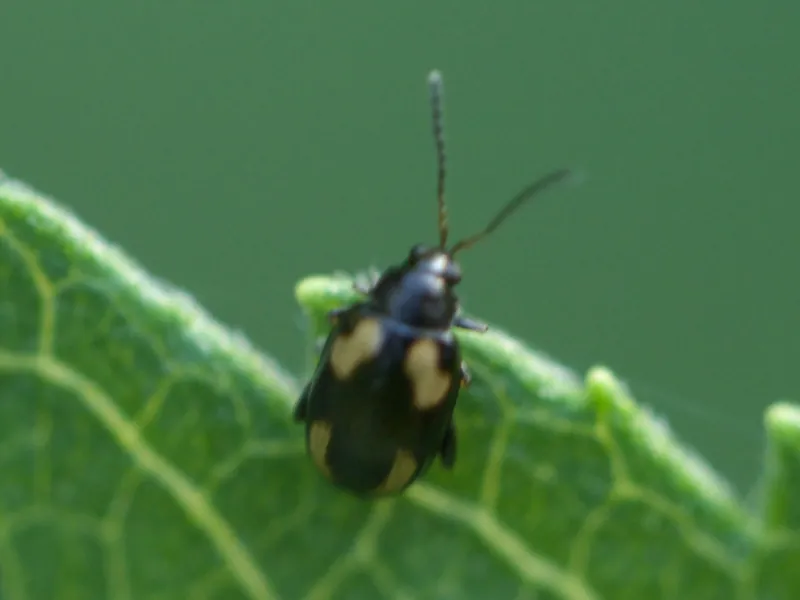
A striped flea beetle on the edge of a leaf
Photo: “Phyllotreta striolata P1210443a” by xpda, CC BY-SA 4.0, via Wikimedia Commons (cropped). The cropped version is shared under the same licence.

Flea beetlesPest

What you'll see: Many tiny round holes and pits in leaves, as if hit by buckshot. Tiny dark beetles jump when disturbed.

Prevent

  • Cover seedlings with row cover and seal the edges.
  • Plant a little later, so warm weather carries plants through the damage.
  • Sow radish ahead of the main crop as a trap crop.
  • Clear weeds and old crop debris.

Organic options

  • Spinosad, or OMRI Listed pyrethrins (without piperonyl butoxide).

Conventional options

  • Carbaryl, malathion or permethrin, if the crop is on the label. Older plants seldom need treatment.

Bee caution: Don't spray open flowers. Spray in the late evening, when bees aren't flying.

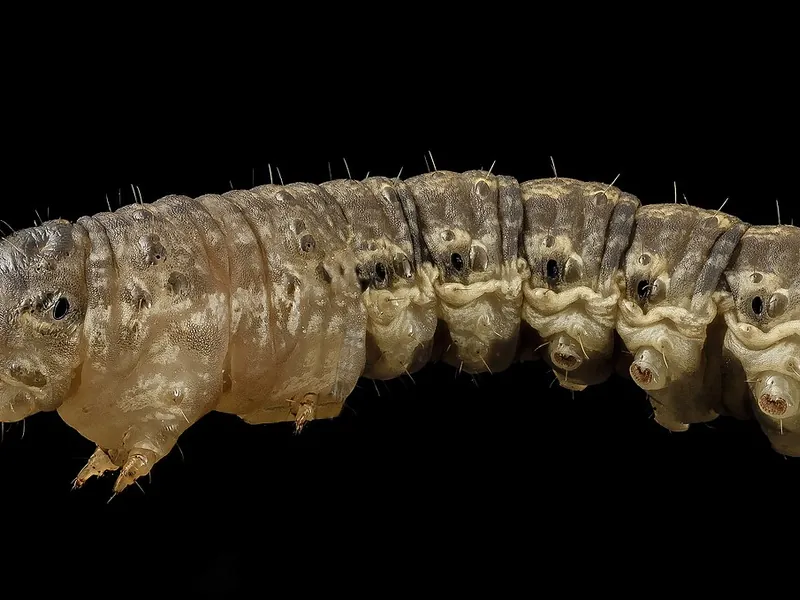
A greasy grey-brown black cutworm caterpillar
Photo: USGS Bee Inventory and Monitoring Lab, Public domain, via Wikimedia Commons.

CutwormsPestSprays are rarely needed

What you'll see: Young plants are cut off at or just above the soil overnight. Fat gray or brown caterpillars curl into a C shape in the soil nearby.

Prevent

  • Put a cardboard or foil collar around each transplant, pushed a few inches into the soil.
  • Till the bed before planting, and pull weeds.
  • Keep a strip of bare, dry soil along the garden edge.

Organic options

  • Dig gently around cut plants and destroy the caterpillars.

Conventional options

  • Usually not needed in a home garden. Collars work better than sprays.
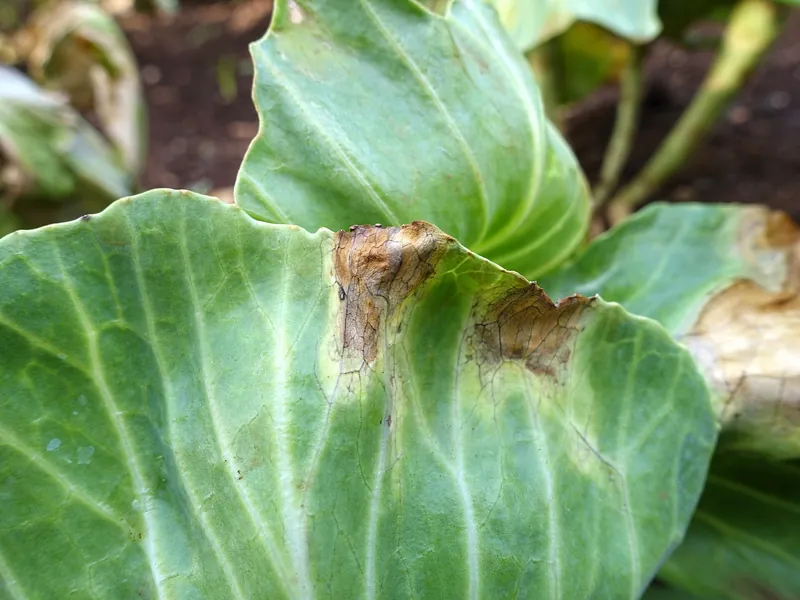
A cabbage leaf with a yellow-brown V-shaped black rot lesion at its edge
Photo: Scot Nelson, CC0, via Wikimedia Commons.

Black rotDisease

What you'll see: On cabbage-family crops, yellow V-shaped patches grow in from the leaf edges and the veins turn black. On sweet potatoes, firm, dark, sunken patches form on the roots, often found in storage.

Prevent

  • For cabbage-family crops, use certified or hot-water-treated seed and healthy transplants.
  • Keep cabbage-family crops out of a bed for 2 to 3 years, and control weeds.
  • For sweet potatoes, grow slips only from clean roots and cure the roots before storing.

Organic options

  • Pull and destroy infected plants and roots.
  • On cabbage-family crops, copper may slow spread while disease is light. Look for OMRI Listed products.

Conventional options

  • None. No spray cures black rot, and none helps stored sweet potatoes.

Bee caution: Don't spray open flowers. Spray in the late evening, when bees aren't flying.

Read and follow the product label: it is the law. It sets the rate, the crops it is for, and the days between spraying and picking. Products registered vary by state; for organic growing, look for products allowed under the USDA National Organic Program (OMRI Listed). We name active ingredients, not brands or rates.

ShareShare a link to this growing guide.

Share this growing guide

The link opens this growing guide, so anyone can read it and look up their own planting dates.

FacebookShare this link on Facebook.XShare this link on X.LinkedInShare this link on LinkedIn.RedditShare this link on Reddit.PinterestShare this link on Pinterest.EmailEmail this link.Open your device's share menu. Copy the link to your clipboard.

Growing more than you can eat? Sell it at a farm stand. TallyTill takes cards and keeps count of what sells, and the Stand plan is free.
Get started with TallyTill for free

Sources

Planting dates and growing facts checked against these university extension and USDA pages:

Growth-stage drawings: TallyTill.

Reconnecting…
One moment — we're restoring your session.